info@aasthajoints.com
 +91 9227222370



Our Blog
Home  Blog
Blog
Blog
Blog
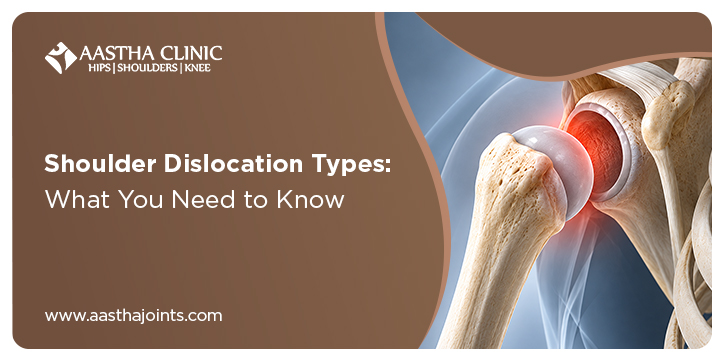
A shoulder dislocation is not just a painful accident; it’s a signal that one of the most complex joints in your body has been pushed beyond its limits. Patients often ask one urgent question right after the injury:
“What is the fastest way to heal a dislocated shoulder and get back to normal life?”
The honest answer is this: there is no shortcut, but there is a smart path. Healing quickly depends less on “quick fixes” and more on doing the right things at the right time. This guide explains that path clearly, practically, and safely based on medical evidence and real-world orthopedic experience.
A dislocated shoulder heals slowly not because the bone moved, but because the stabilizing tissues around the joint are injured.
When the shoulder dislocates, the joint capsule, labrum, and stabilizing muscles are stretched or torn. These tissues have limited blood supply, so they heal much more slowly than muscle or bone. Pain often reduces within a week, but the shoulder remains mechanically unstable for several weeks.
This is why early heavy use, stretching, or exercise can delay healing or cause repeat dislocation, even when pain feels manageable. The fastest recovery happens when these stabilizing tissues are protected first and strengthened only after they begin to heal properly.
A dislocated shoulder heals based on how well the stabilizing tissues, capsule, labrum, and supporting muscles, recover, not just how fast pain goes away.
Typical healing timeline:
• First 1–3 days: Pain and swelling are high; the shoulder must rest and be protected.
• Week 1–3: Early tissue healing occurs; avoid heavy use to prevent re-injury.
• Week 4–6: Guided rehabilitation begins; strength and stability improve.
• 6–12 weeks: Most patients regain near-normal function; full activity may be resumed gradually.
Recovery varies if it’s a repeat dislocation, rehab is delayed, or the shoulder is stressed too early. Early evaluation by a shoulder surgeon can optimize healing and reduce complications.
Healing fast is about protecting tissues and following proper recovery steps, not rushing movement.
Healing quickly depends on protecting the weak tissues first, then retraining the shoulder strategically. Here’s what works:
Immediate professional reduction is critical
A shoulder surgeon ensures the joint is safely realigned. Proper reduction prevents nerve or ligament damage, which slows recovery.
Protect the shoulder but avoid over-immobilization
Use a sling 1–3 weeks as instructed. Too long in a sling causes stiffness and weak muscles, slowing full recovery. Focus on positioning the joint correctly.
Prioritize early tissue-safe movements
Gentle passive exercises within the first 1–2 weeks improve blood flow and prevent stiffness. Do not force active lifting yet, this is when most mistakes occur.
Progress to controlled strengthening at the right time
Weeks 3–6: Gradual active exercises under guidance of a shoulder surgeon in Surat. Focus on rotator cuff and stabilizing muscles. Proper timing here speeds healing more than intensity.
Avoid risky activities until fully cleared
Overhead motions, lifting heavy objects, or sports too early can cause re-dislocation. Even if pain decreases, tissues are still weak.
The fastest recovery isn’t about rushing rehab, it’s about protecting tissues, following precise timing, and progressing under expert guidance. Patients who respect this sequence consistently recover faster and avoid long-term complications.
Most shoulder dislocation recoveries don’t fail on day one.
They fail quietly, when pain improves but healing is still incomplete.
One of the most damaging mistakes is using pain relief as a recovery marker. Pain often settles early, but the joint capsule and stabilizing ligaments take much longer to heal. When daily activities are resumed too soon, the shoulder may not hurt, but it also may not be stable.
Another common issue is removing the sling too early or skipping it altogether. Short-term protection allows injured tissues to heal in the correct position. Without that support, the shoulder may feel mobile but remain structurally weak.
Many patients also begin strengthening exercises too soon, often based on online videos or gym advice. Strength without stability places uneven stress on healing tissues and increases the risk of repeat dislocation rather than speeding recovery.
The most vulnerable phase is between weeks two and four. This is when pain improves, confidence increases, and healing is still ongoing. Most re-dislocations happen during this window, not because of major trauma, but during simple movements.
When You Should Not “Wait and Watch” Any Longer
You should seek evaluation from an experienced Orthopedic Doctor if:
• The shoulder feels loose, unstable, or slips during routine movement
• Pain or restricted motion does not steadily improve after 3–4 weeks
• The shoulder dislocates again, even with minor activity
• You are young, active, or involved in sports requiring overhead motion
Repeated dislocations are not just painful; they can lead to chronic instability and early joint damage if ignored. Early assessment by a shoulder surgeon helps decide whether focused rehabilitation is enough or if further intervention is needed to prevent long-term problems.
The fastest recoveries happen when patients slow down at the right time and seek help before instability becomes a pattern.
When a shoulder dislocates, most patients are not looking for complex treatment, they want to know whether their shoulder will be stable again. That is why many people in Surat consult Dr. Krunal Shah at Aastha Joints Clinic.
Dr. Krunal Shah is an experienced Orthopedic surgeon in Surat with focused work in shoulder and joint problems. In cases of shoulder dislocation, his priority is understanding why the shoulder came out of place and how likely it is to happen again. Treatment is planned around that risk, not just around pain relief.
Patients often mention that he explains the injury in simple terms and does not rush decisions. Surgery is advised only when necessary; otherwise, structured rehabilitation and close follow-up are preferred. This approach has helped many patients avoid repeat dislocations and long-term shoulder weakness.
As a shoulder surgeon in Surat, Dr. Shah is trusted not only for treatment but for honest guidance. People return to him for other orthopedic problems because they feel listened to and clearly informed.